
Resilient communities

Crisis-ready
from within

Talks and support
for social resilience

What keeps a community going when it counts is already there: neighbours, local clubs, informal networks. We show municipalities, districts and civil protection bodies how to strengthen that resource, in everyday life and for the emergency.

When it counts

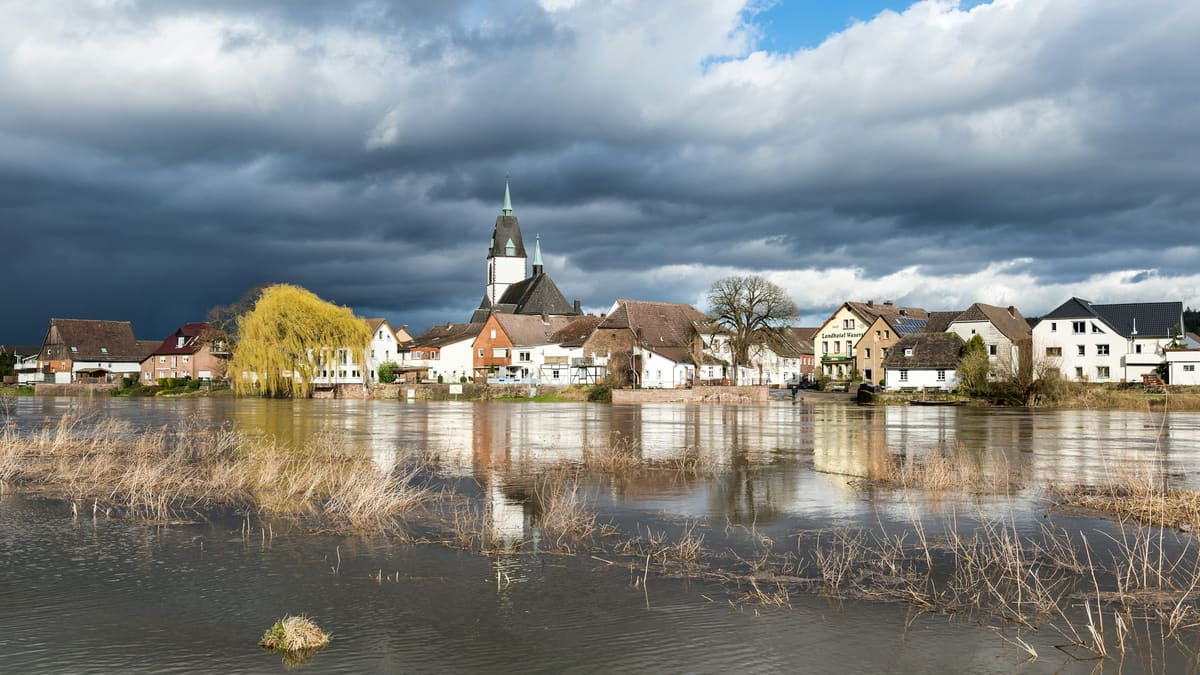
Summers so hot that water runs short and the heat becomes dangerous for older people. Floods and torrential rain. And threats that used to feel remote are getting closer: targeted attacks on power or water supplies, or a cyberattack that paralyses the local administration. The arson attack on Berlin's power grid in early 2026, which left tens of thousands of households without electricity, some for days, was a foretaste.

In situations like these, outside help rarely arrives straight away. A community may be on its own at first, and then what carries it is what's already there: neighbours, clubs, parishes, volunteers. Strengthen them, and a community becomes more crisis-ready and, day to day, more lively and self-reliant.

Flooding in a village on the Weser, with the church under a dark sky in the background
Photo: Wolfgang Weiser / Unsplash
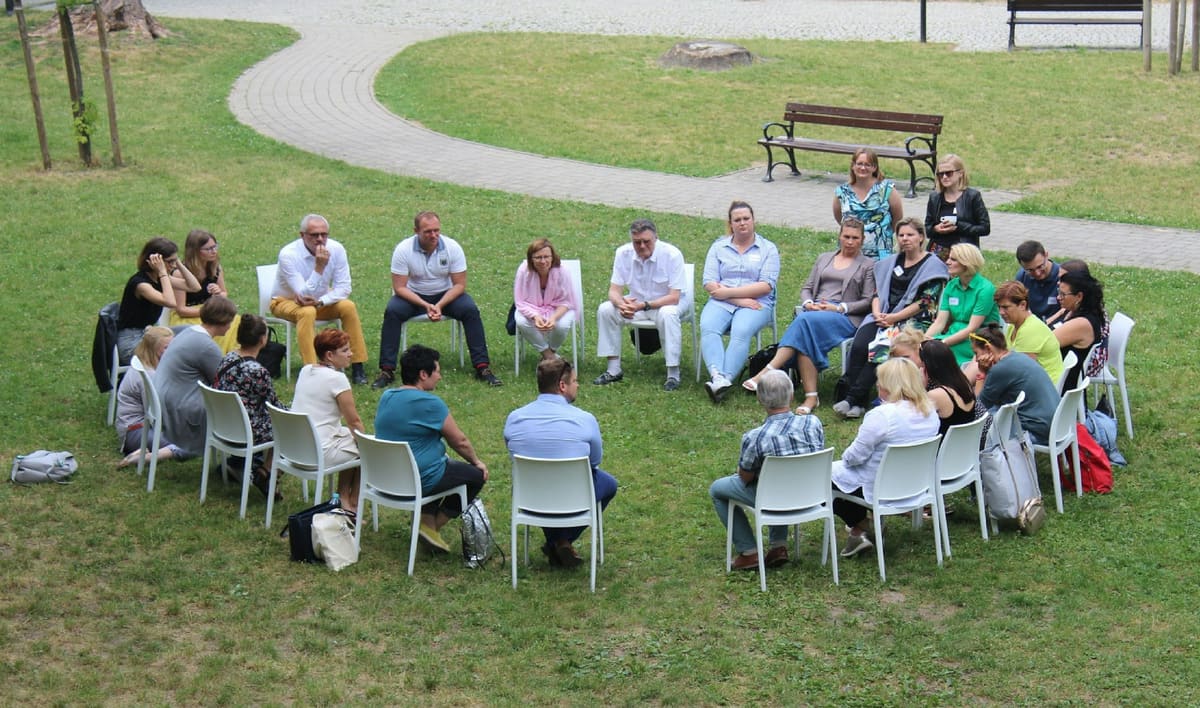
People sitting in a circle of chairs on a lawn, talking
Photo: Dorota Trzaska / Unsplash

The third pillar of preparedness

In Germany, resilience is still mostly framed in technical and security terms: protecting critical infrastructure, emergency plans, warning systems, clear lines of responsibility. All of that is essential, but it's only part of the picture. Whether a community can still act in an emergency depends just as much on its "social software": trust, relationships, and the experience of having acted together before.

In the first hours and days of a crisis, before formal help is fully in place, local relationships carry the load. Research on disaster recovery shows that the density and quality of social networks explain recovery better than the extent of the damage or the amount of state aid. That foundation can't be built in the middle of a crisis. It has to be built, maintained and practised beforehand. Social resilience therefore belongs alongside technical and security-based preparedness as a third, equal pillar.

What we offer

A focused input in the form of a talk, or support over a longer stretch, depending on where a community stands.

Talk: Crisis-ready from within

Using concrete examples, the talk shows what social resilience means on the ground: from a fixed point of contact for emergencies, to neighbours who look out for each other, to community festivals that do more than make for a nice evening.

It's practical: why neighbourhoods, volunteering and local clubs are the backbone of social resilience, and what councils, administrations and district bodies can actually do to strengthen them. Questions and examples from your own community are welcome, and there's time set aside for discussion.

Length
about two hours, including discussion
For
municipal and town councils, district councils, administrations, civil protection events

Support: from first step to lasting structure

Social resilience isn't something you can buy off the shelf. We help municipalities and districts build it step by step, with the people, places and networks that are already there.

The four steps describe the route. Our two approaches are the tools we use to travel it: navigate by fiction (opens in a new tab) gets residents thinking and acting together, and the Second Circle (opens in a new tab) turns that into a network that holds. Each step shows which one comes in.

  1. 01 Pin down the issue Which specific resilience problem is at stake: heat, blackout, loneliness, conflict, mistrust? With navigate by fiction (opens in a new tab): residents imagine future scenarios together, which brings the opportunities and risks for the community into view.
  2. 02 Map the social infrastructure Which places, clubs, initiatives and connectors already exist? Where are the bridges, where are the gaps? With the Second Circle (opens in a new tab): we find the people who are already on the move and show who is connected to whom.
  3. 03 Start small A pilot with a clear learning goal, followed by a proper review: who came, who was missing, which relationships emerged? With navigate by fiction (opens in a new tab): the ideas prioritised together become implementation teams that try out first projects locally.
  4. 04 Embed and hand over Local groups take on their own roles, so something lasts beyond the end of the project. With the Second Circle (opens in a new tab): individual committed people become a network with its own rhythm that keeps going without us.

Who it's for

Anyone shaping local preparedness who wants the social side to be part of it.

  • Municipal and town councils
  • Mayors and administrations
  • Districts and district administrations
  • Disaster management and civil protection
  • Expert bodies and associations
  • Aid organisations and volunteers

Position paper

Strengthening social resilience

How socially engaged arts build the social foundation of crisis-ready communities, and what policy-makers, administrations and funders can do about it: six recommendations, with summaries to download (currently in German).

Go to the position paper

Book a talk or ask about support

For a council meeting, a district council, a conference, or a first conversation about what's needed locally.